


Standard berberine is absorbed at under one percent. The molecule is not the problem, the delivery is. Decades of trials sit behind berberine, yet almost everything in a conventional capsule is wasted before it can work. This dossier walks through exactly what goes wrong, and why liposomal delivery with piperine outperforms ordinary berberine HCl.
Berberine bioavailability is the whole problem
Decades of trials show berberine supports healthy blood sugar and lipids. Then pharmacokinetics intervene: of a standard dose, about 0.5% is absorbed in the small intestine and roughly 0.36% reaches circulation intact. Around 56% is never absorbed at all, another 43.5% is broken down before it can do anything.1
What reaches the bloodstream, by form
Higher Cmax versus unformulated berberine in a 2026 double-blind crossover trial.4
Bars are scaled to illustrate the gap, not to plot exact values.
Four walls, one swallow
Ordinary berberine HCl hands the molecule to your gut and hopes. It runs into four obstacles, and solves none of them.
-
01
The efflux pump
P-glycoprotein acts as a bouncer in the intestinal wall, pumping berberine back out almost as fast as it enters. Absorption can rise as much as sixfold when this pump is inhibited.1
-
02
First-pass metabolism
What little gets absorbed is broken down by enzymes in the gut wall and liver before it ever circulates. A large fraction is gone on the first pass.1
-
03
Self-aggregation
In stomach acid, berberine molecules clump together, which lowers how much can dissolve and cross the gut lining.1
-
04
Poor solubility
Berberine dissolves and permeates membranes poorly, so it fights its own chemistry before the pump and enzymes even get involved.2
Protect the molecule. Disarm the pump.
The smartest formulation does not rely on one trick. It stacks two technologies that hit the absorption problem from different directions. For more context, read our guide to liposomal delivery.
Part one
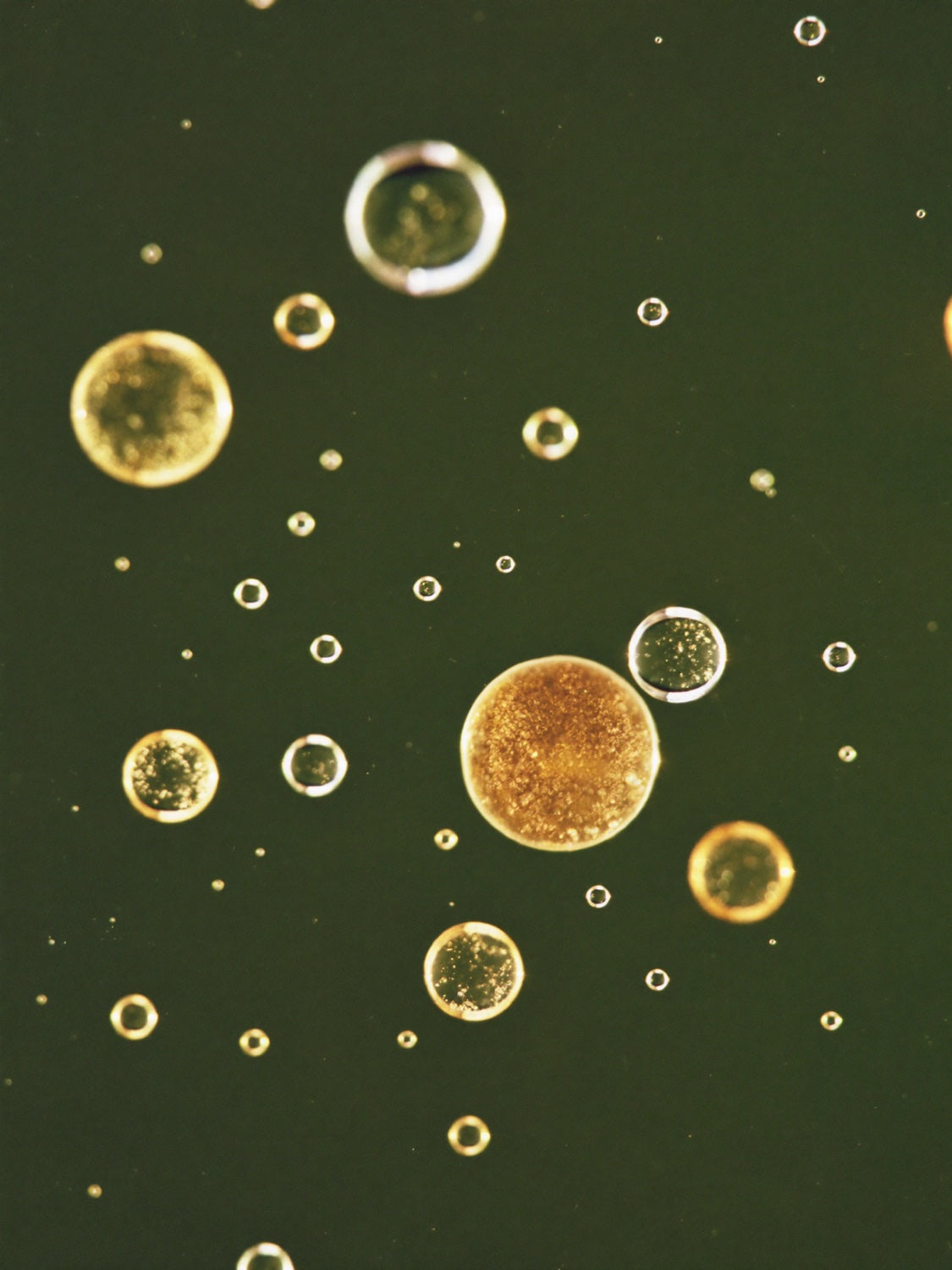
Liposomal delivery
Berberine is wrapped inside microscopic phospholipid spheres, the same material your own cell membranes are made of. They shield it from stomach acid, merge with the gut lining to ferry it across, and can route it through the lymphatic pathway, partly bypassing first-pass metabolism.3
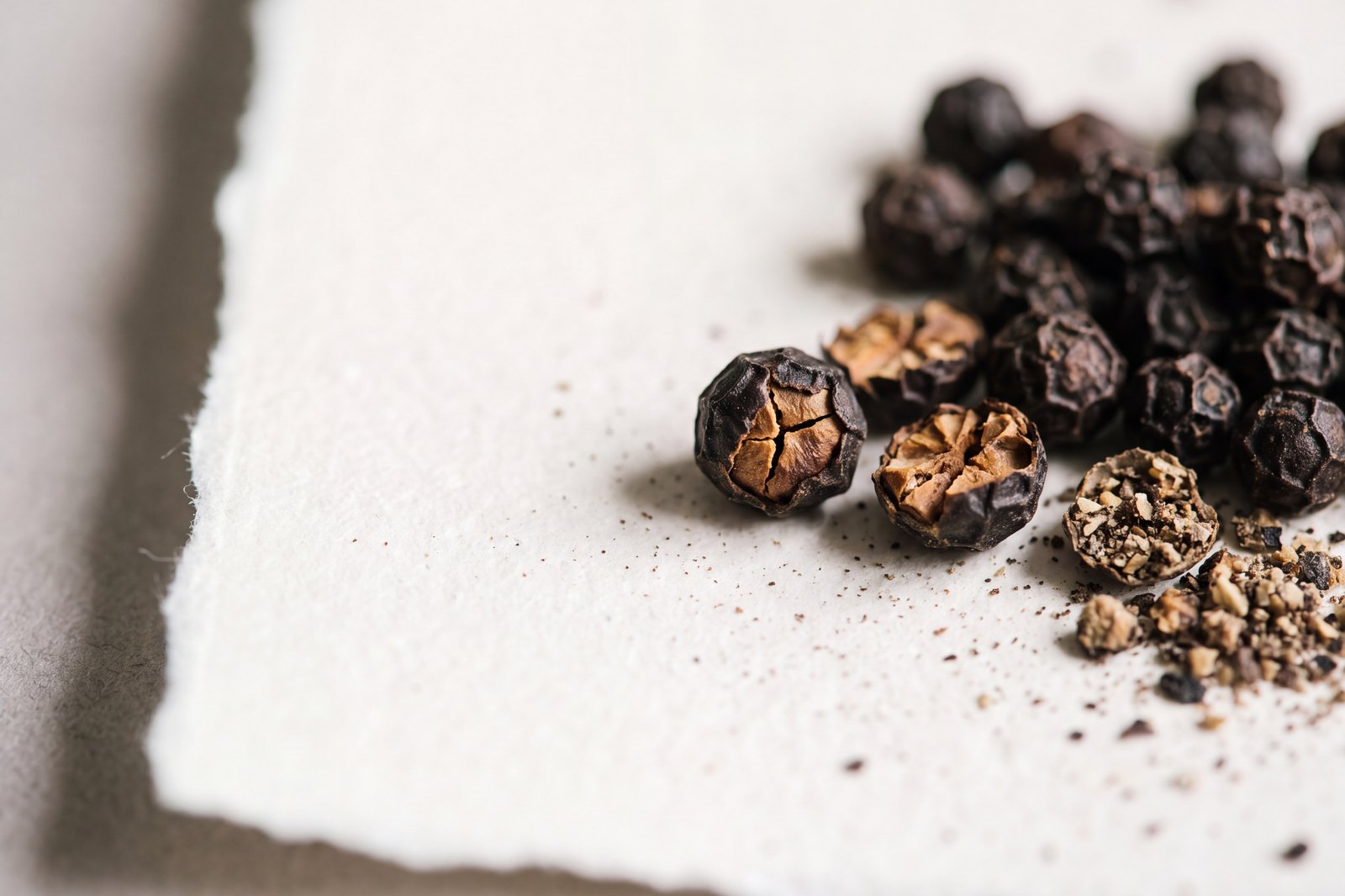
Liposomes get berberine to and through the gut wall. Piperine stops the body pumping it out and breaking it down. Different barriers, so stacking them adds up instead of overlapping.
Same dose. A crumb, or a dose.


Where liposomal plus piperine wins
Every other form fixes part of the problem. Only one addresses protection, transport, efflux and metabolism together.
Absorption is the gateway, not the goal
The active only does its work once it reaches the bloodstream. A clinically studied dose on paper means little if under one percent survives digestion. Here is what the research connects the compound to.
Healthy blood sugar
Meta-analyses associate berberine with improvements in fasting glucose, HbA1c and post-meal measures, most evident at elevated baselines.7
Healthy lipid balance
Studies link berberine to better triglyceride, total cholesterol and LDL measures, alongside higher HDL.8
Metabolic signalling
Berberine activates AMPK, a pathway central to how cells manage glucose and energy.7
These statements describe berberine's role in supporting normal metabolic function and are not intended to diagnose, treat, cure or prevent any disease.
This alkaloid comes from barberry and other Berberis plants. We do not hide it behind a proprietary blend. Every active is named and dosed on the label.

Make it a quiet daily ritual
- With meals. Take it with or just before food to support healthy post-meal blood sugar already in the normal range.
- Split the day's amount. Dividing intake across meals is common and tends to be gentler on digestion.
- Be consistent. Berberine's metabolic support builds with regular daily use over weeks, not from a single dose.
- Follow your label. Take 2 capsules daily: 250 mg Berberine HCl per capsule and 500 mg per day. Each bottle contains 60 capsules for 30 servings and 30 days. Because liposomal berberine with piperine is more absorbable, your effective amount may differ from old high-dose HCl routines.
Berberine and piperine can affect how the body processes some medications, and berberine may lower blood sugar. If you take prescription medication, are pregnant or breastfeeding, or have a health condition, speak with your healthcare provider before starting. This article is educational and not medical advice.
Questions worth asking
Why is liposomal berberine with piperine better than regular berberine?
Regular berberine is absorbed at under one percent because it is pumped back out of intestinal cells and broken down before it reaches the blood.1 Liposomal delivery protects berberine and carries it across the gut lining,3 while piperine blocks the pump and enzymes that waste it.5
What does piperine actually do here?
Piperine inhibits P-glycoprotein and CYP3A4, the exact efflux pump and enzyme that limit berberine.5 It is a proven bioenhancer, most famously increasing curcumin absorption about 20-fold in humans.6
Is liposomal berberine just more expensive?
Per bottle, sometimes. Per usable milligram, it is the opposite. If a cheaper berberine is absorbed at under one percent, you are mostly paying to excrete it. More absorption means more of what you bought actually works.
How is this different from buying berberine and black pepper separately?
Adding piperine helps with efflux and metabolism, but it does nothing to protect berberine from stomach acid or improve its transport across the gut. Liposomal delivery covers those gaps,3 so you need both halves.
Is dihydroberberine better than liposomal berberine?
Dihydroberberine absorbs better than plain HCl, but it does not address P-glycoprotein efflux the way piperine does. The liposomal plus piperine approach targets all four absorption barriers together.
When should I take it?
With or just before meals, ideally split across the day. Consistency over weeks matters more than any single dose.
The bottom line
If you are going to take berberine, take the form built to survive the journey. The research is real, but it is only as good as the fraction your body absorbs, and for the standard form that fraction is under one percent.1 Liposomal delivery protects and transports the molecule, piperine disarms the pump and enzymes that waste it.
Get berberine that actually gets in
References
- Approaching strategy to increase the oral bioavailability of berberine (physicochemical and pharmacokinetic properties). Expert Opinion on Drug Metabolism & Toxicology, 2023. tandfonline.com · PMC8964367
- Research progress on pharmacological effects and bioavailability of berberine. Naunyn-Schmiedeberg's Archives of Pharmacology, 2024. springer.com
- How liposomal technology improves berberine stability and bioavailability (phospholipid delivery, lymphatic uptake, reduced first-pass metabolism). maxmedchem.com
- Liposomal Delivery as a Strategy to Improve Berberine Bioavailability: a double-blind, crossover, randomized pilot study in healthy males (+70.1% Cmax, +42.8% AUC0–24). Nutrition and Dietary Supplements, 2026. dovepress.com · coverage
- A Systematic Review of Piperine as a Bioavailability Enhancer (P-glycoprotein and CYP3A4 inhibition). Journal of Drug Delivery and Therapeutics. jddtonline.info · PMC3458266
- Predicting Food–Drug Interactions between Piperine and CYP3A4 Substrate Drugs (curcumin ~2,000% bioavailability increase, Shoba et al. 1998 context). PMC. PMC11506926
- Overall and Sex-Specific Effect of Berberine on Glycemic and Insulin-Related Traits: systematic review and meta-analysis of RCTs. The Journal of Nutrition, 2023. jn.nutrition.org
- The Effect of Berberine on Metabolic Profiles in Type 2 Diabetic Patients: systematic review and meta-analysis of RCTs. PMC. PMC8696197 · PubMed


